Creating a home office that is both cozy and functional can greatly improve your productivity and overall well-being while working from home. Whether you have a dedicated room or just a small corner, thoughtful design and organization can transform your workspace into an inviting and efficient area. In this post, we’ll explore practical tips to help you create a home office that feels comfortable and works well for your daily tasks.
Choose the Right Location
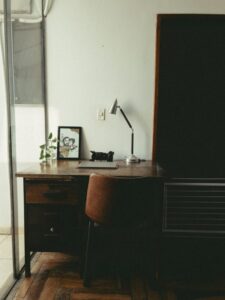
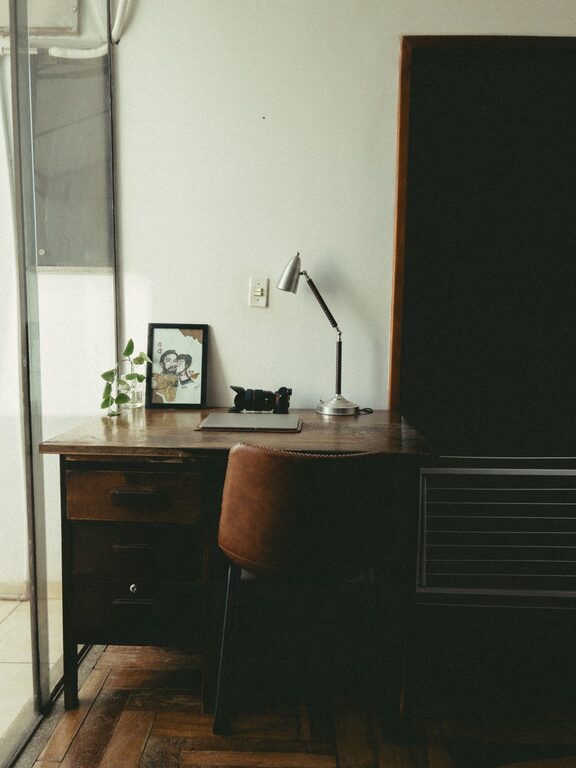
The first step in setting up your home office is deciding where it will be located. Ideally, choose a quiet space away from heavy foot traffic and distractions. Consider these factors when selecting your spot:
– Natural light: A space near a window can boost your mood and reduce eye strain.
– Privacy: If possible, pick a room with a door or a secluded corner to minimize interruptions.
– Accessibility: Make sure your office is easy to reach so you can transition smoothly into work mode.
If your space is limited, consider multipurpose areas that can be tidied up easily when you’re not working.
Invest in Comfortable, Supportive Furniture
Comfort is key to maintaining focus during long work hours. Here’s what to keep in mind when picking your furniture:
Desk Selection
– Size: Choose a desk that fits your equipment comfortably without crowding the space.
– Style: Opt for a design that matches your home décor to create a cohesive look.
– Functionality: Desks with built-in storage can help keep essentials organized.
Chair Choice
– Ergonomics: Select an adjustable chair that supports your back and promotes good posture.
– Padding: Look for cushioning that provides comfort for extended sitting.
– Mobility: Consider swivel and wheels for easy movement.
Remember, investing in quality furniture will benefit your health and productivity in the long run.
Organize Your Space Efficiently
Clutter can be distracting and make it harder to find what you need. To keep your office clean and functional:
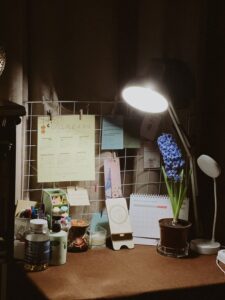
– Use shelves and drawers to store papers, office supplies, and gadgets.
– Employ desk organizers for pens, sticky notes, and cables.
– Label storage containers to easily identify contents.
– Keep only the essentials on your desk surface to maintain focus.
Regularly declutter your space to prevent accumulation of unnecessary items.
Optimize Lighting
Good lighting reduces eye fatigue and creates a pleasant atmosphere. Combine different types of lighting for the best effect:
– Natural Light: Position your desk near a window when possible.
– Task Lighting: Use adjustable desk lamps for focused work.
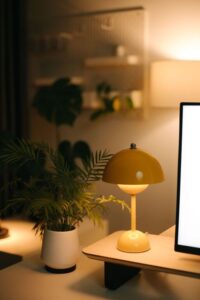
– Ambient Lighting: Add floor or table lamps to soften the room.
Avoid glare on your screen by adjusting blinds or curtains, and consider warm light bulbs for a cozy feel.
Personalize Your Workspace
Adding personal touches can make your home office more inviting and inspiring. Some ideas include:
– Plants: Greenery improves air quality and adds color.
– Artwork: Hang pictures or posters that motivate or soothe you.
– Decorative Items: Use items that reflect your personality, like a favorite mug or figurine.
– Color Scheme: Choose colors that make you feel calm and focused, such as soft blues or greens.
Personalizing your space will help you feel more connected to your work environment.
Incorporate Technology Thoughtfully
Technology is essential for most home offices, but it can also contribute to clutter and distractions. To keep things manageable:
– Use wireless devices to reduce cable mess.
– Invest in a good-quality monitor and keyboard for comfort.
– Organize cords with clips or cable sleeves.
– Ensure your Wi-Fi signal is strong in your office area.
Backing up important files and keeping software updated are also crucial for smooth workdays.
Create Boundaries Between Work and Home Life
Maintaining a work-life balance is easier when your workspace feels separate from the rest of your home. Try these strategies:
– Establish specific work hours and stick to them.
– Use a physical or visual boundary, like a room divider, to separate your office.
– Avoid working from your bed or couch to signal work time.
– Clean up your workspace at the end of each day to switch mental gears.
Setting boundaries helps prevent burnout and keeps your work organized.
Add Comfort Features
Small comforts can make your workspace more enjoyable and reduce stress:
– Keep a cozy blanket or cushion nearby.
– Use a footrest if your chair doesn’t support your feet well.
– Set up a small water station or keep a bottle of water handy.
– Play soft background music or white noise if it helps you concentrate.
These little touches create a welcoming atmosphere conducive to productivity.
Final Thoughts
Designing a home office that is cozy and functional takes some planning, but the rewards are worth it. By choosing the right location, investing in comfortable furniture, keeping organized, optimizing lighting, and personalizing your space, you can create an environment that supports your best work. Remember to incorporate technology thoughtfully and establish clear boundaries between your work and personal life. With these tips, your home office will become a place you enjoy spending time in, boosting both your productivity and comfort.