Creating a relaxing home workspace can have a significant impact on your productivity and overall well-being. When your work environment feels calm and comfortable, it’s easier to focus, reduce stress, and maintain motivation throughout the day. Whether you work remotely full-time or occasionally, designing a space that promotes relaxation and efficiency is essential. In this post, we’ll explore practical tips for setting up a home workspace that supports both comfort and productivity.
Why a Relaxing Workspace Matters
Your home workspace is where you spend many hours, so its atmosphere can either help or hinder your work performance. A clutter-free and inviting environment reduces distractions, encourages creativity, and can even improve your mood. When your space feels relaxing, you’re more likely to approach tasks with a clear mind and keep burnout at bay.
Choose the Right Location
Selecting the right spot in your home is the first step:
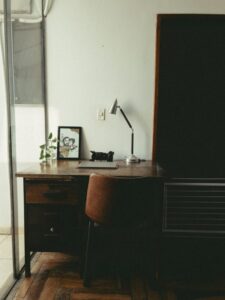
– Natural Light: Aim for a location near windows to benefit from natural light. Sunlight helps regulate your internal clock and boosts energy.
– Privacy: Try to find a quiet area away from household noise and interruptions.
– Space: Make sure there’s enough room for your desk, chair, and any essential tools or equipment.
If space is limited, consider flexible options like a foldable desk or a designated nook that you can personalize.
Invest in Comfortable Furniture
Comfortable furniture is key to staying productive and relaxed:
– Ergonomic Chair: Choose a chair that supports your lower back and encourages good posture.
– Desk Height: Your desk should allow your arms to rest comfortably at about a 90-degree angle.
– Monitor Position: Position your computer monitor at eye level to prevent neck strain.
Comfort doesn’t mean you have to spend a lot; many affordable options offer ergonomic benefits.
Declutter and Organize
A tidy workspace supports a calm mind and better concentration:
– Regularly Clear Surfaces: Keep your desk free from unnecessary items to minimize distractions.
– Use Storage Solutions: Drawers, shelves, or organizers help keep supplies and documents neatly stored.
– Cable Management: Tame unsightly cords with clips or sleeves to keep your space visually clean.
Develop a habit of tidying your workspace at the end of each workday to maintain order.
Personalize Mindfully
Adding personal touches can make your workspace inviting without overwhelming it:
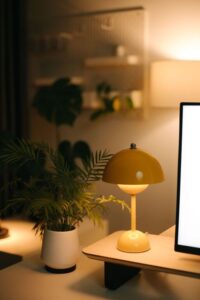
– Plants: Small indoor plants improve air quality and add a refreshing touch of nature.
– Artwork or Photos: Choose calming images or photos that inspire you.
– Color Palette: Stick to soothing colors like soft blues, greens, or neutrals for your decor.
Avoid too many distractions; aim for items that promote a sense of calm and motivation.
Optimize Lighting
Lighting affects your energy and focus:
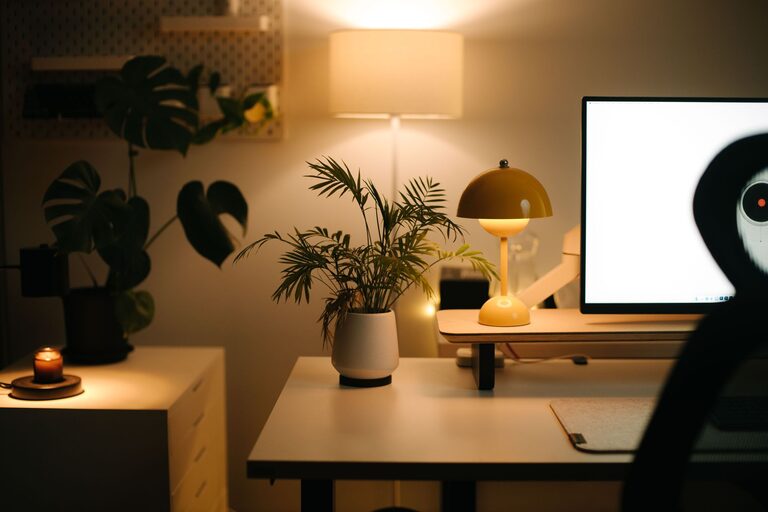
– Layered Lighting: Combine natural light, overhead lights, and task lighting to adapt to different needs.
– Avoid Glare: Position your monitor and lights to reduce screen glare.
– Warm Light: Use warm-tone bulbs to create a cozy atmosphere, especially during evening hours.
If natural light is limited, consider investing in a daylight-mimicking desk lamp.
Manage Noise Levels
Sound can greatly impact your ability to concentrate:
– Quiet Space: Choose a location away from noisy appliances or high-traffic areas.
– Noise-Canceling Headphones: These can help block distractions and create a focused work environment.
– Background Music: Soft instrumental music or white noise can enhance concentration for some people.
Experiment to find what noise level and type work best for you.
Incorporate Break Areas and Movement
Sitting for long periods can be tiring and unhealthy:
– Designate a Break Spot: Have a comfortable chair or corner nearby for short breaks.
– Stretch Regularly: Set timers to remind yourself to stand and stretch every hour.
– Use a Standing Desk: If possible, alternate between sitting and standing to boost energy.
Movement helps refresh your mind and prevents fatigue.
Keep Essentials Within Reach
Minimize interruptions by having what you need close at hand:
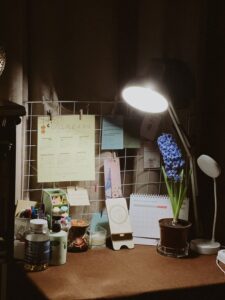
– Frequently Used Supplies: Pens, notebooks, chargers, and other essentials should be easily accessible.
– Water Bottle: Staying hydrated enhances focus and energy.
– Calendar or Planner: Use a visible calendar to keep track of deadlines and appointments.
Organizing these items ahead of time reduces unnecessary distractions.
Set Boundaries and Routines
Creating a relaxing workspace is only part of the equation; establishing good habits is equally important:
– Define Work Hours: Stick to a consistent schedule to separate work from personal time.
– Signal When You’re Working: Use visual cues or closed doors to inform others when you shouldn’t be disturbed.
– Start and End Rituals: Even simple routines can help transition in and out of work mode.
These practices support focus and prevent burnout.
Final Thoughts
A relaxing home workspace is within reach by combining thoughtful design and good habits. Prioritize comfort, organization, and personalized touches that calm your mind. With the right environment, you can boost your productivity while enjoying a more enjoyable and comfortable work-from-home experience. Start small today, and gradually tailor your space to fit your needs perfectly.