Creating an organized home office can make a significant difference in your productivity and overall work experience. When working in a small space, organization becomes even more crucial to maximize efficiency and minimize distractions. Whether you’re working remotely full-time or need a dedicated work corner, these tips will help you set up a small home office that boosts your productivity.
1. Choose the Right Location
Selecting the ideal spot for your home office is the first step. Look for a quiet area with minimal foot traffic and distractions. If possible, position your desk near a window to take advantage of natural light, which can improve mood and focus.
Tips for small spaces:
– Use a corner of a room to create a designated office nook.
– Consider multifunctional furniture to save space.
– If space is very limited, a fold-down desk or wall-mounted workspace can help.
2. Declutter and Keep Only Essentials
A cluttered workspace can lead to stress and inefficiency. Sort through your supplies and equipment, and keep only what you use daily or weekly.
Steps to declutter:
– Remove old papers, notes, and unnecessary items.
– Store rarely used equipment elsewhere.
– Use digital tools to reduce physical paperwork.
Keeping your desk clear not only improves focus but also makes cleaning easier.
3. Invest in Smart Storage Solutions
In a small home office, smart storage is key to maximizing your space and keeping things organized.
Storage ideas include:
– Vertical shelving units to free up floor space.
– Desk organizers for pens, notebooks, and small gadgets.
– Drawer dividers to arrange office supplies neatly.
– Baskets or bins for cables and chargers.
Using storage that fits your needs helps you find items quickly and reduces distractions.
4. Optimize Your Desk Setup
Arrange your desk to support productivity by organizing it ergonomically and functionally.
Consider these tips:
– Place your computer monitor at eye level to avoid neck strain.
– Use a comfortable chair with proper back support.
– Keep frequently used items within arm’s reach.
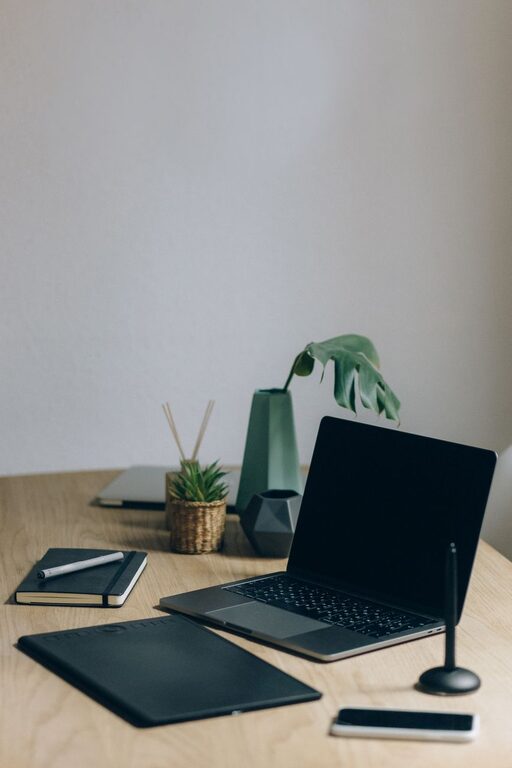
– Maintain a clean surface to provide ample workspace.
An ergonomic setup not only improves focus but also reduces fatigue and discomfort.
5. Utilize Wall Space and Accessories
Don’t let your walls go to waste — they are valuable space for organization and inspiration.
Ideas for wall utilization:
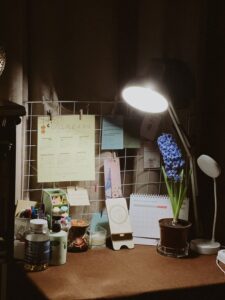
– Install pegboards to hang tools, cables, or stationery.
– Use wall-mounted shelves for books and supplies.
– Pin a corkboard or whiteboard to track tasks and deadlines.
– Display motivational quotes or calming artwork.
Using vertical space keeps your desk clearer and adds personality to your office.
6. Manage Cables and Electronics
Cables can quickly turn a neat office into a tangled mess. Managing electronic cords helps keep your area tidy and safe.
Cable management tips:
– Use cable clips or ties to bundle cords together.
– Route cables behind your desk or along walls.
– Label chargers and cords for easy identification.
– Consider wireless devices to reduce cable clutter.
A neat cable system reduces distractions and potential hazards.
7. Create a Workflow-Friendly Layout
Organize your items and furniture to support your work habits and daily tasks.
For example:
– Place printers and scanners close to your desk but not in the way.
– Position file storage nearby for easy access.
– Arrange your workspace to encourage movement if needed (e.g., standing desk options).
Thinking about how you work daily can help you design a smoother workflow.
8. Personalize Your Space Mindfully
Personal touches can make your home office inviting and motivating but avoid overcrowding your space.
Suggestions for personalization:
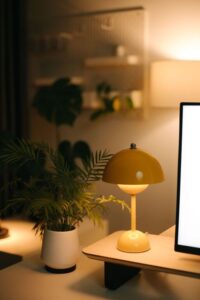
– Add a small plant for a touch of nature.
– Use a color scheme that you find relaxing or energizing.
– Display a few photos or keepsakes without cluttering.
– Incorporate calming scents with a diffuser or candles.
A welcoming environment can enhance your mood and focus.
9. Keep it Clean and Maintain Regularly
Routine cleaning keeps your office inviting and functional.
Cleaning checklist:
– Wipe down surfaces weekly.
– Organize papers and supplies every few days.
– Dust shelves and equipment regularly.
An orderly, clean office helps sustain a productive mindset.
Conclusion
Organizing a small home office is all about making the most of your limited space while creating a workspace that supports your productivity. With thoughtful planning, smart storage, and an ergonomic setup, your small home office can become a comfortable, efficient, and inspiring place to work. Start with one or two of these tips and gradually build a workspace that works perfectly for you.