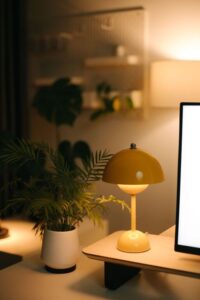
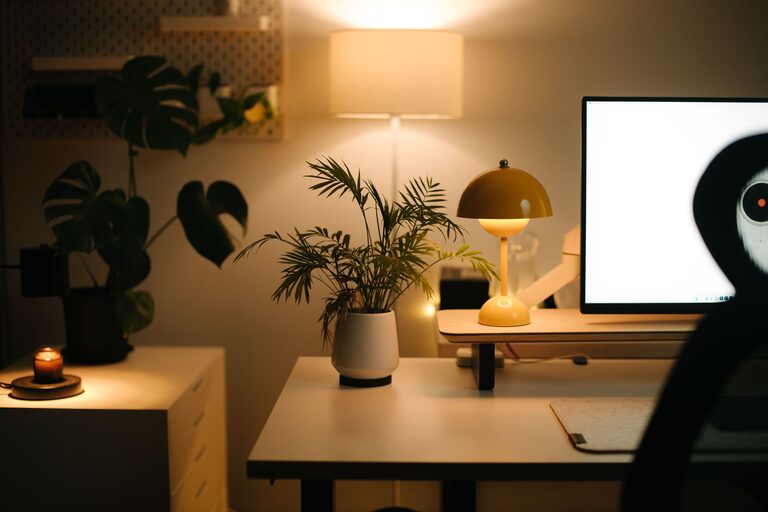
Creating a home office that balances coziness with productivity can significantly improve your work-from-home experience. When your workspace feels inviting yet organized, it encourages focus and reduces stress. Whether you have a dedicated room or a small corner, here are some helpful tips to transform your area into the perfect home office.
Choose the Right Location
Selecting the best spot in your home is the first step. Ideally, pick a quiet area with minimal distractions and enough space for your furniture and equipment. Natural light is a big plus—it helps reduce eye strain and lifts your mood.
– Near a window: Placing your desk close to a window allows access to daylight and outdoor views.
– Away from noise: If possible, avoid areas near noisy appliances or heavy foot traffic.
– Dedicated space: Even a small nook dedicated to work can help separate your professional tasks from home life.
Invest in Comfortable Furniture
Comfort is key to maintaining productivity over long periods. A well-chosen chair and desk can make a huge difference.
– Ergonomic chair: Look for an adjustable chair that supports your back and encourages good posture.
– Appropriate desk: Your desk should fit your space and be large enough for your computer, paperwork, and other essentials.
– Consider standing desks: Alternating between sitting and standing can boost energy and reduce stiffness.
Organize for Efficiency
A cluttered desk can interfere with your focus. Develop an organization system that works for you to keep essentials within reach.
– Use storage solutions: Shelves, drawers, and organizers help keep supplies tidy.
– Cable management: Use clips or sleeves to keep cords neat and prevent tangling.
– Daily tidying: Spend a few minutes at the end of each day clearing your workspace.
Personalize Your Space
Adding personal touches makes your office inviting and reflects your style without distracting you.
– Plants: Small indoor plants improve air quality and add a splash of greenery.
– Artwork or photos: Choose images that inspire you or make you happy.
– Soft textiles: A cozy rug or comfortable cushions can soften the space.
Optimize Lighting
Good lighting reduces eye strain and creates a positive atmosphere.
– Natural light first: Maximize daylight but avoid glare on screens.
– Task lighting: Use desk lamps or adjustable lights to brighten work areas.
– Warm vs. cool bulbs: Warm light creates a cozy feel, while cooler light can increase alertness. Consider your preferences and tasks.
Minimize Distractions
Staying focused means managing potential interruptions.
– Noise control: Use noise-canceling headphones or white noise machines if needed.
– Limit technology distractions: Keep personal devices on silent or out of sight during work sessions.
– Set boundaries: Communicate your working hours to family or housemates.
Incorporate Technology Thoughtfully
Technology can enhance your workflow but should not overwhelm your space.
– Essential devices only: Keep your workspace free from unnecessary gadgets.
– Keep it tidy: Regularly clean and organize your tech equipment.
– Upgrade wisely: Invest in quality tools that make your work easier.
Maintain a Routine
Even the best setup requires good habits to stay productive.
– Set regular hours: Having a daily schedule separates work time from personal time.
– Take breaks: Walk around, stretch, or step outside to refresh.
– End your day neatly: Prepare your space for the next day to start fresh.
—
Designing a cozy and productive home office is about balancing comfort with function. By choosing the right location, investing in quality furniture, organizing thoughtfully, and personalizing your space, you create an environment where you can work efficiently and feel good doing it. Remember, the best workspace supports both your body and mind—helping you stay motivated and productive every day.