Creating a relaxing home office environment is essential for maintaining focus, boosting productivity, and reducing stress. With more people working remotely than ever before, the space where you work can greatly impact your daily mood and efficiency. Whether you have a dedicated room or just a corner in your living space, there are practical steps you can take to create a comfortable and calming workspace. In this article, we’ll explore effective tips for designing a home office that supports relaxation and productivity.
Choose the Right Location
Selecting the right spot for your home office is the first step. Ideally, pick a quiet area where interruptions are minimal and natural light is abundant.
– Natural Light: Position your desk near a window to benefit from daylight, which helps improve mood and reduce eye strain.
– Noise Level: Avoid high-traffic areas or noisy rooms to maintain concentration.
– Privacy: If possible, choose a space with a door or use room dividers to separate your work zone.
Invest in Comfortable and Functional Furniture
Ergonomics play a critical role in comfort and health during long working hours.
– Ergonomic Chair: Choose a chair that supports your lower back and encourages good posture.
– Adjustable Desk: Consider a height-adjustable desk to alternate between sitting and standing.
– Desk Size: Ensure your desk is spacious enough for your computer, notebook, and any other essentials without clutter.
Keep Your Workspace Organized
Clutter can cause distraction and anxiety. Keeping your workspace organized will promote calmness and efficiency.
– Use Storage Solutions: Shelves, drawers, and desk organizers can help keep supplies in order.
– Daily Clean-Up: Spend a few minutes at the end of each day tidying your desk.
– Limit Personal Items: Keep only a few meaningful decorations or photos to make the space welcoming but not overcrowded.
Add Calming Colors and Natural Elements
Colors and decor affect your mood and energy levels.
– Soothing Colors: Soft blues, greens, and neutrals are known to create a calm atmosphere.
– Plants: Adding indoor plants improves air quality and adds a touch of nature that can reduce stress.
– Art and Accessories: Choose calming artwork or inspirational quotes that make you feel motivated without overwhelming the space.
Pay Attention to Lighting
In addition to natural light, good artificial lighting is essential.
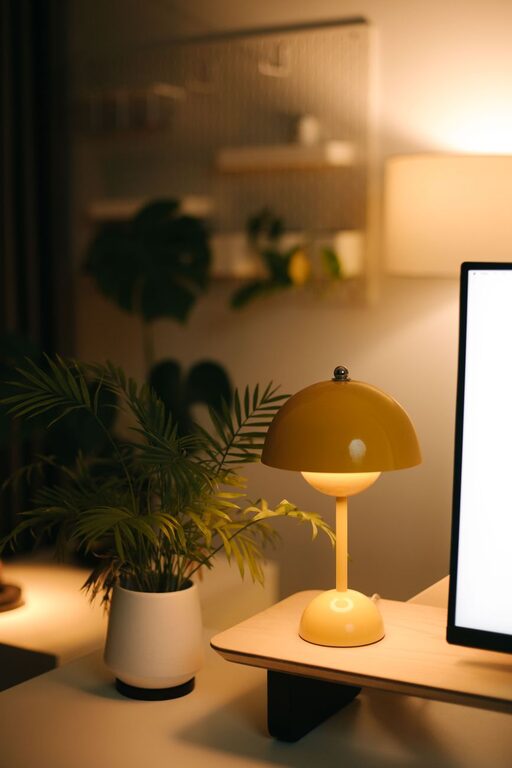
– Task Lighting: Use a desk lamp with adjustable brightness to reduce eye strain.
– Warm Lighting: Opt for bulbs with warmer tones to create a cozy and inviting environment.
– Avoid Glare: Position screens and lamps to minimize glare and reflections.
Control Temperature and Air Quality
Comfort also depends on the physical environment.
– Temperature: Keep the room at a comfortable temperature, ideally between 68-72°F (20-22°C).
– Ventilation: Ensure good air circulation by opening windows or using a fan or air purifier.
– Scents: Use subtle natural scents like lavender or eucalyptus to promote relaxation, but avoid overpowering fragrances.
Establish Boundaries and Work Habits
Creating a relaxing home office also means developing habits that support work-life balance.
– Set Work Hours: Define specific work times to avoid overworking.
– Take Breaks: Schedule regular breaks to stretch, hydrate, and reset your focus.
– Limit Distractions: Turn off notifications and keep non-work-related devices out of reach during work hours.
Incorporate Technology Mindfully
Technology makes work easier but can also add to stress if not managed well.
– Cable Management: Use cable organizers to keep cords neat and avoid a messy desk.
– Use Noise-Cancelling Headphones: These can help block out distractions when necessary.
– Keep Software Updated: Smooth-running devices and apps contribute to a less frustrating workday.
Personalize Your Space
A personalized workspace can make working from home more enjoyable.
– Add Personal Touches: Include items that reflect your personality, like your favorite mug or a cozy blanket.
– Comfort Items: Consider a small cushion or footrest for additional comfort.
– Music: Playing soft background music or nature sounds can enhance focus and relaxation.
Final Thoughts
Transforming your home office into a relaxing environment doesn’t require a big budget or a complete redesign. Small changes and mindful organization can make a significant difference in how you feel and work. By choosing the right location, investing in ergonomic furniture, maintaining organization, adding soothing elements, and managing technology wisely, you can create a peaceful workspace that supports both your well-being and productivity. Remember, the goal is to design a space where you feel comfortable, focused, and relaxed throughout your workday.